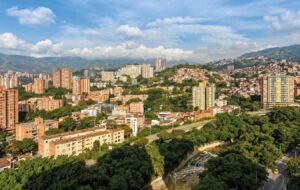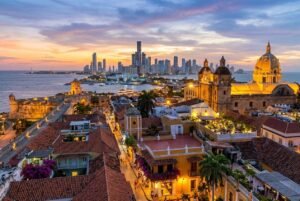
Every year, travelers from the United States, Europe, and other Latin American countries arrive in Medellín. Some come for a week. Others stay for months, and quite a few end up considering living in Medellín more permanently or buying an apartment.
Why is this happening? There are several reasons: the climate, the quality of life, the great food, easy-to-use public transportation, and a city that has changed a lot in just a few decades. In this guide, we'll tell you about seven of them and, at the end, what you should consider if you're thinking about investing.
In this article
- A mild climate all year round
- Good quality of life and a reasonable cost of living
- Close friends and international community
- Good food, coffee and culture
- Subway, Metrocable and international airport
- An active real estate market
- A city that transformed
1. A mild climate all year round
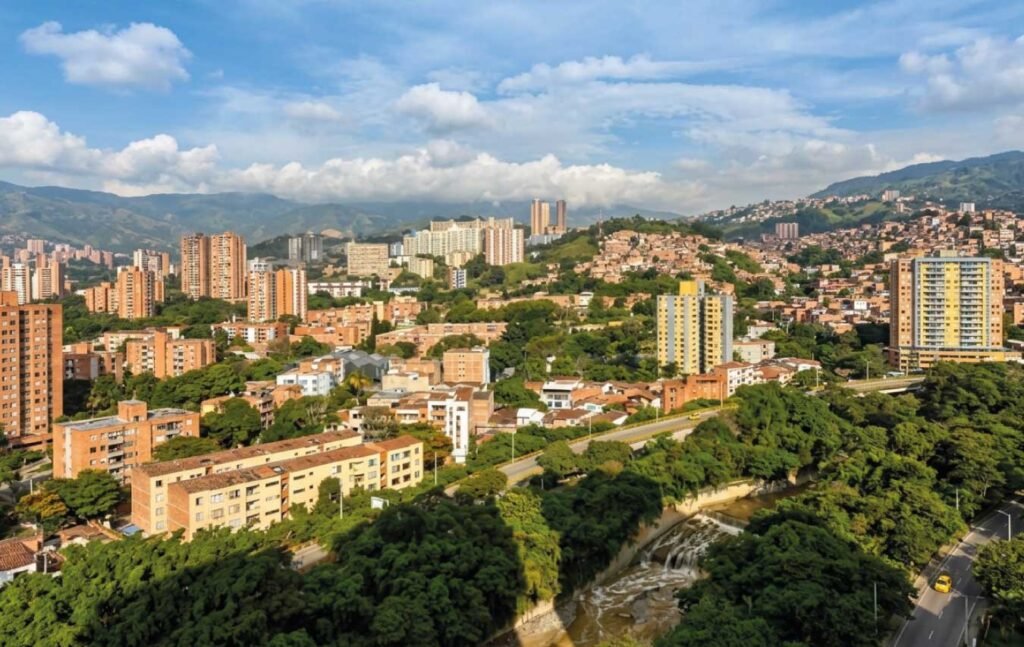
Medellín is located in a valley surrounded by mountains, at about 1,500 meters above sea level. This is why it has an average temperature of around 24°C, according to the Medellín Mayor's Office, without cold winters or sweltering summers. That's why it's known as "the city of eternal spring."
For someone coming from a country with long winters, being able to walk, work on a terrace, or do outdoor sports almost every day weighs heavily in the decision.
Stable temperature
An average temperature close to 24 °C throughout the year, with no marked seasons.
Nature in sight
Mountains, parks and green areas in and around the city.
Seasonal rains
There are times of the year with more rain. This is a key detail to consider when inspecting a property; we'll discuss this further below.
2. Good quality of life and a reasonable cost of living
Medellín offers services typical of a large city: clinics and hospitals, universities, shopping malls, coworking spaces, and good-speed internet in many areas. Even so, daily life can cost less than in many cities in the United States or Europe, especially for those who earn their income in dollars or euros.
However, the cost depends heavily on the neighborhood, lifestyle, and exchange rate. Areas most sought after by foreigners tend to be the most expensive.
3. People who are close and an international community
Many visitors highlight the friendly nature of the people of Antioquia, as they are known. It's a city where it's easy to strike up a conversation, ask for help, and make friends.
Furthermore, there's an international community: people from various countries who work remotely, study Spanish, or have lived here for years. This helps newcomers, as they can find groups and recommendations from people who have already been through the same thing.
Learn Spanish
There are schools and language exchanges where you can practice with local people.
Work remotely
Cafes and coworking spaces designed for working with a computer.
Make community
Events and groups of other foreigners and people from the city.
4. Gastronomy, coffee and culture
Antioquian cuisine features hearty dishes and home-style flavors. In neighborhoods like El Poblado or Laureles, you'll also find restaurants serving local and international cuisine, as well as specialty coffee shops, because Colombia is a coffee-producing country.
Culturally, the city boasts museums, plazas adorned with sculptures, and festivals like the Flower Festival, Medellín's most important event. This festival pays homage to the silleteros of Santa Elena, farmers who carry flower arrangements on their backs.
Local and international cuisine
From traditional dishes to restaurants from various parts of the world.
Day trips
Guatapé, with the Piedra del Peñol, or Arví Park, for walking among forests.
Flowers and tradition
The Flower Fair and the silletero tradition of Santa Elena.
5. Public transport and connection with the world
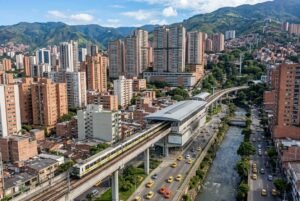
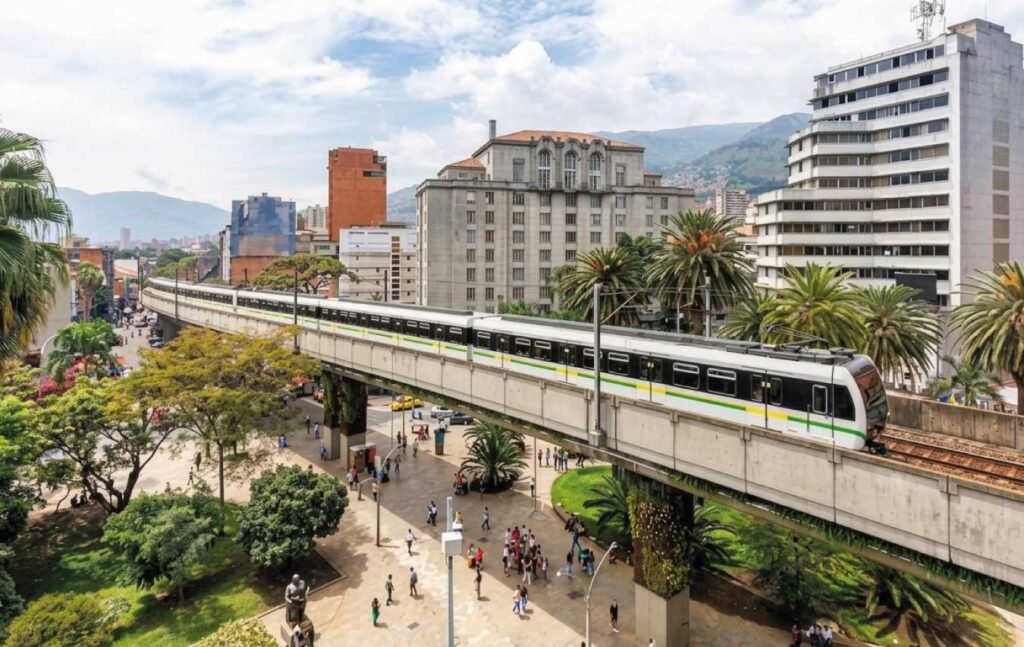
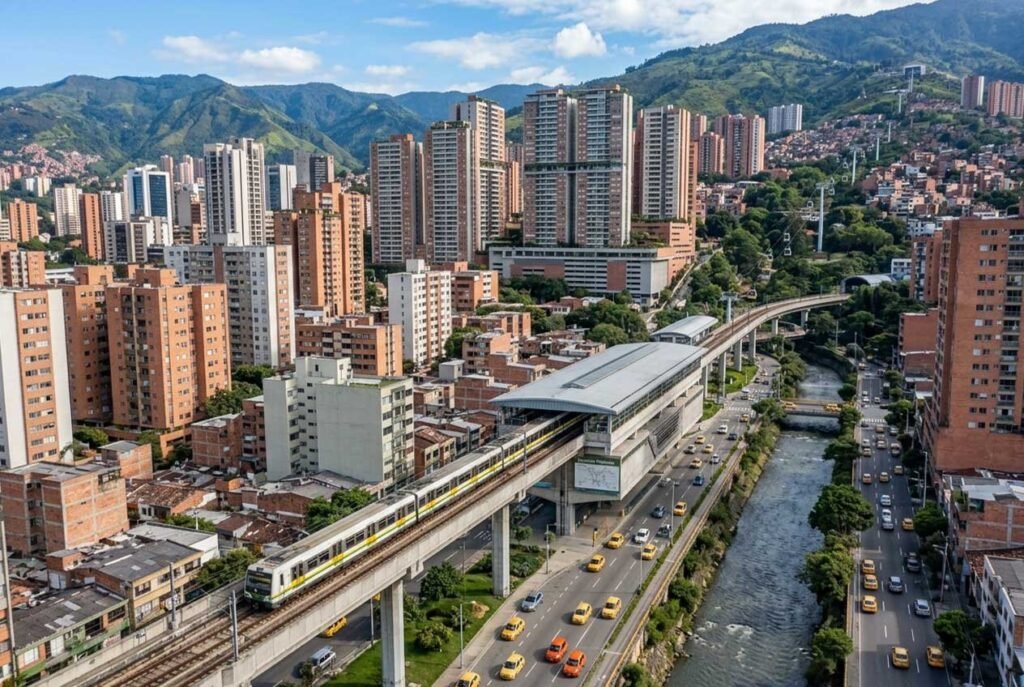
Medellín has a transportation system that attracts the attention of visitors: the Medellín Metro, with trains, Metrocables (cabins that climb the hillsides), a tram, and dedicated bus lanes. Everything operates in an integrated manner.
For travel, the José María Córdova International Airport is located in Rionegro, on the outskirts of the Aburrá Valley, the valley where the city is situated. Domestic and international flights depart from there.
Subway and Metrocable
Trains and cabins that connect the valley and the neighborhoods on the hillsides.
Trams and buses
Ayacucho tram and exclusive lane buses, integrated into the system.
International airport
José María Córdova, in Rionegro, with national and international flights.
6. An active real estate market for investment
If you're thinking about investing in Medellín, the first question is usually whether a foreigner can buy. The answer is yes: in Colombia, foreigners can buy property, even without being residents.
Medellín and its surrounding areas offer a wide variety of housing options: apartments in modern towers, houses in residential neighborhoods, and new developments. Some well-known areas include El Poblado, Laureles, Envigado, and Sabaneta. Each has a distinct atmosphere and price range, so it's a good idea to visit them before making a decision.
- Valid passport and verifiable source of funds.
- Channel the money through an authorized bank and register the foreign investment with the Central Bank.
- Review the certificate of tradition and freedom, which shows the legal history of the property.
- Sign the public deed before a notary and register it.
If you want to compare with other cities, read our articles 7 Colombian Cities Where Foreigners Invest the Most and Foreigners Who Buy Homes in Colombia.
7. A city that transformed
Medellín lived through difficult decades, marked by violence. Today it is a very different city, and that transformation is part of what sparks interest abroad.
It's noticeable in the mobility, with Metrocables connecting hillside neighborhoods, and in places like Comuna 13, where murals, music, and tours with local guides tell the story of the neighborhood through its inhabitants.
There are also issues to consider. The growth in tourism has driven up rents in some neighborhoods and sparked debate among residents. As in any large city, it's wise to research each area. This is yet another reason to do thorough research before buying.
Before buying in Medellín: what to check in the property
A home can look perfect in photos or during a quick visit and still have problems that aren't immediately obvious. If you're buying from another country, it's more difficult to inspect everything in person. That's why many people request a technical home inspection before signing.
Dampness and leaks
Stains, mold, or musty smells on ceilings, walls, and bathrooms. With rainy seasons, it's one of the first things people check.
Cracks in walls
Not all of them are serious, but some deserve attention. A professional can help distinguish a minor crack from a sign that needs further investigation.
Condition of the finishes
Flooring, paint, doors, windows, and tiling. These are details that can be claimed from the builder or negotiated with the seller.
Facilities and general conditions
Electricity, water, gas, and drainage. A problem here is usually expensive to fix later.
A reminder: Colombia is a country with earthquakes.
This is how Inspection 360 helps you
360 Inspection is a company specializing in technical home inspections in Colombia. Our team inspects the property using tools such as thermography and provides you with a clear report, including photos, data, and recommendations. This way, you know what to demand or what to negotiate before signing.
- Structural measurements, roofing and ceilings
- Electricity, water and gas
- Sanitary fixtures, doors and windows
- Finishes and materials
We work with both used and new homes. Write to us with the city and approximate size of the property, and we'll confirm coverage, price, and report delivery date.
Frequently asked questions
Yes. In Colombia, foreigners can buy property, even without being residents. If the money comes from abroad, it must be channeled through the foreign exchange market and registered as a foreign investment with the Central Bank. Consult with a lawyer before sending any money.
Yes. New homes can also have construction or finishing defects. It's best to inspect them before signing the handover certificate so that any issues are documented and you can request their correction. More information can be found in our article about the handover certificate.
We recommend you be present so we can explain each observation on-site. If you can't make it, please write to us and we'll coordinate the best option for your situation.
In short: Is it worth living in Medellín?
Medellín attracts so many foreigners with its combination of climate, quality of life, good food, transportation, and a diverse real estate market. It's not a perfect city, but it offers a lot to those who arrive with the right information.
If you're thinking about living in Medellín or investing in a property, visit the city, compare neighborhoods, and thoroughly inspect the property before buying it.